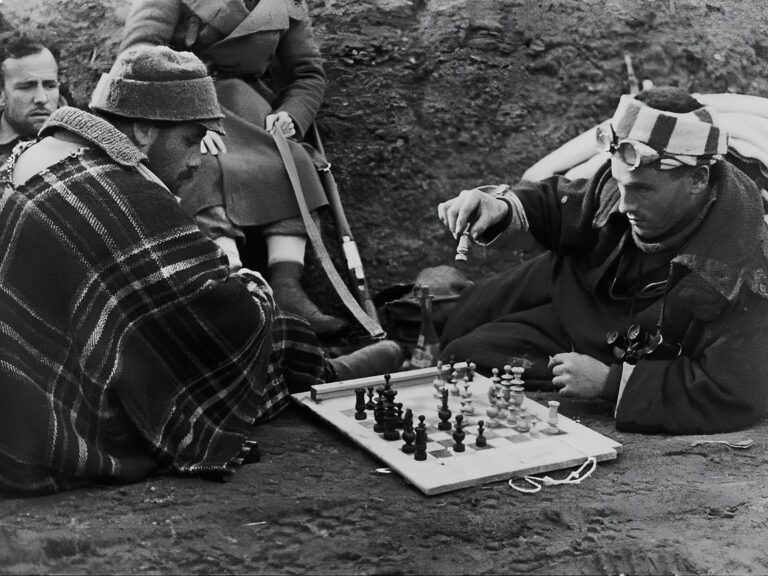

Mir Sultan Khan was a self‑taught chess prodigy from Mitha Tiwana who stunned the chess world by beating former World Champion José Raúl Capablanca at Hastings in 1930 and winning the British Championship three times—his life is a compact lesson in talent, humility, and practical chess.
Mir Sultan Khan was born in 1903 and learned chess in local circles before arriving in England under the patronage of a noble; in a remarkably short international career he won the British Chess Championship three times, earning immediate respect from Europe’s top players and chess writers for his natural feel for the game. He never relied on heavy opening theory; instead he converted simple advantages with calm, practical play, which made his results all the more striking given his modest background.
The most famous moment of Sultan Khan’s European years came at Hastings 1930, where he defeated José Raúl Capablanca, the former World Champion—a game often replayed for its instructive clarity and the way it showcases intuition over memorized lines. That victory was not a lucky fluke but a demonstration of how clear plans, accurate calculation, and steady nerves can topple even the most polished champions; contemporary records and annotated scores of the Hastings game show how Sultan Khan’s straightforward ideas gradually squeezed the position until Capablanca’s defenses collapsed.
What makes Sultan Khan’s legacy especially useful for young players and coaches is the practical, pattern‑based nature of his play. His games reward students who learn to ask, “what does this move do?” rather than reciting opening moves from memory; coaches often use his short, decisive games to teach pattern recognition, endgame technique, and the habit of converting small advantages into wins. Chess historians and modern analysts continue to point to his intuitive strength as an example of how regular play and focused thinking can produce world‑class results without formal theoretical study.
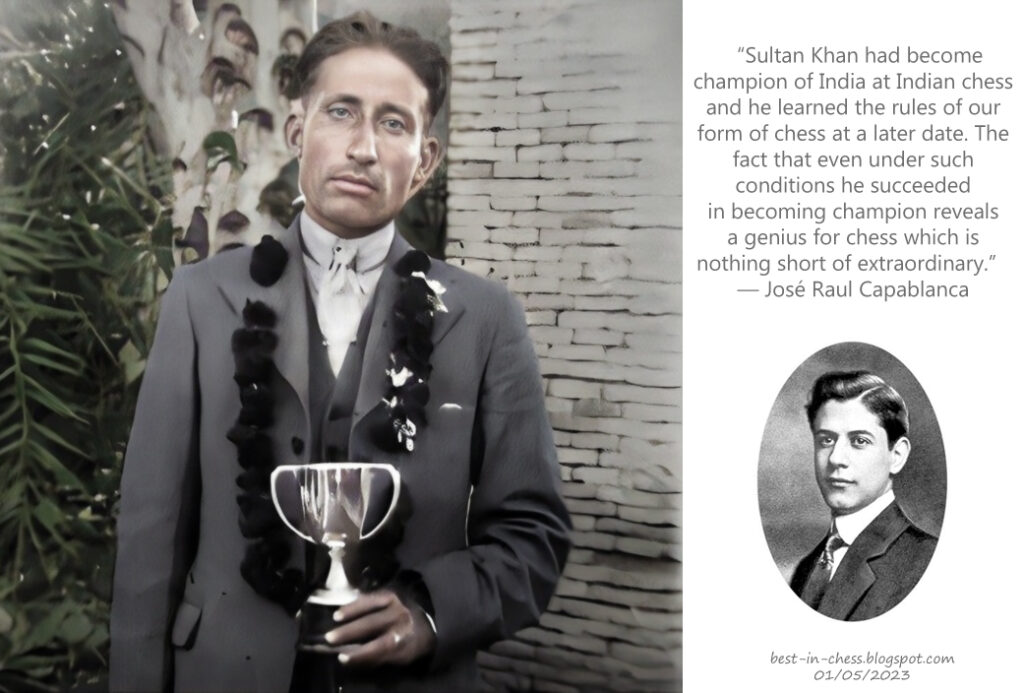
Beyond the moves, Sultan Khan’s story is quietly human: he returned to the subcontinent after a brief but brilliant stint in Europe and lived away from the limelight, yet his achievements—beating top masters and winning national titles—left a lasting echo that still inspires students who come from humble beginnings. At IvorySquares, we bring Sultan Khan’s games into lessons to show children that curiosity, steady practice, and practical thinking matter as much as study, and that confidence can bridge gaps in resources.